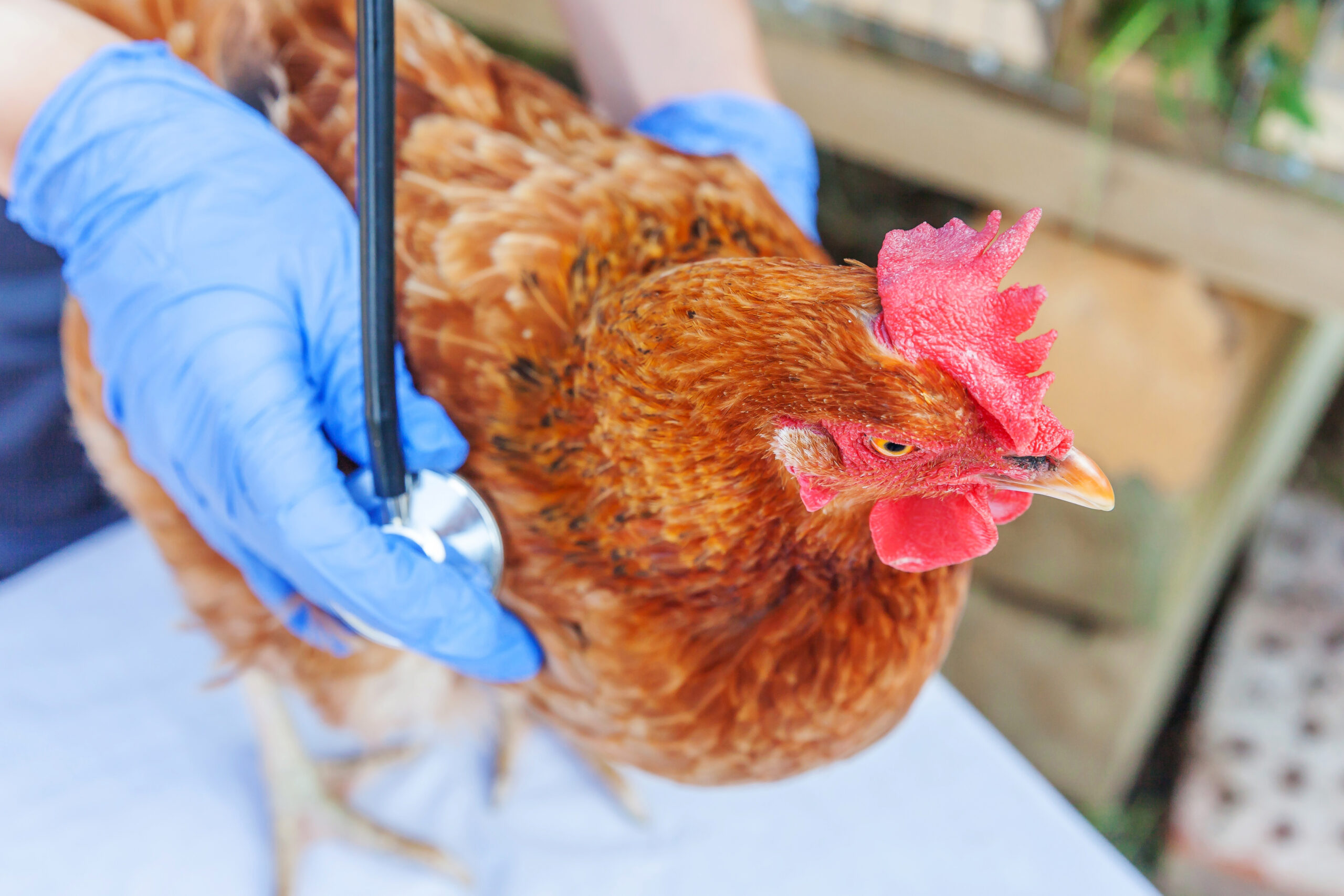
The Avian Nutrition & Feed Technology Division is engaged in both basic and applied aspects of avian nutrition and feed technology, with a primary focus on improving the efficiency, productivity, health, welfare and sustainability of poultry production systems. The Division also plays an important role in post-graduate teaching, research guidance and human resource development, providing academic and technical support to postgraduate students and research scholars.
The Division is supported by well-equipped and modern analytical laboratories with advanced instrumentation for comprehensive evaluation of feed ingredients, complete feeds, nutrients and biological samples. Major analytical facilities include Atomic Absorption Spectrophotometer (AAS), High-Performance Liquid Chromatography (HPLC), Thin Layer Chromatography (TLC), Nitrogen Analyzer, Fibre Analyzer, Fat Analyzer, Calcium and Phosphorus estimation facilities, Bomb Calorimeter, and other specialized laboratory equipments. These facilities enable precise assessment of the proximate composition, energy value, mineral content, fibre fractions, fat content, mycotoxins and other quality attributes of feed ingredients and compound poultry feed.
The Division provides a comprehensive range of technical, analytical, consultancy, and capacity-building services to researchers, poultry farmers, feed manufacturers, entrepreneurs, government organizations, and other stakeholders. Its major services include feed and feed ingredient analysis, feed quality assurance, mycotoxin and contaminant detection, least-cost feed formulation, contract and collaborative research, specialized short-term training programmes, computer-aided feed formulation using the “MakeFeed” poultry software, and technical advisory services.
Research Activities & Achievements
1.
Precise
nutrient supply
Nutrient requirements and dietary
inter-relationships of energy, protein and amino acids, calcium, phosphorous,
manganese, zinc, copper, Iron, selenium, lysine, methionine, folic acid,
biotin, vitamins A, E and D etc. for different classes and ages of diversified
poultry including new breeds and varieties developed at Institute, under
tropical conditions have been established. Comparative efficacy of
DL-methionine and methionine hydroxyl analogue (MHA) has been evaluated in the
diet of broiler chickens and quails. The nutrient requirements for broilers and
growing and laying quails have been successfully partitioned for developing
feeding standards. These recommendations are being used by poultry farmers,
feed manufacturers, researchers and Bureau of Indian Standards (BIS).
2.
Alternate
feed resources
A comprehensive database on the
nutritive and feeding value, as well as safe inclusion levels, of various alternate
feed resources has been developed. These includes distillers dried grains with
solubles (DDGS), cottonseed meal, rice gluten meal, maize gluten meal,
rapeseed/mustard oil cake, de-oiled rice bran, rice kani, wheat bran, guar korma,
tapioca meal, sunflower cake, niger meal, sorghum, pearl millet (bajra),
molasses, apple pomace, neem seed kernel, meat meal, liver meal, slaughter house
and hatchery wastes, poultry droppings etc. Based on the nutritional evaluation
of these resources, low-cost feed formulae have been developed.
3.
Augmenting
nutrient bio-availability
Over the years, significant
research contributions have been made towards the development and evaluation of
safe, efficient and sustainable feed additives for
augmenting nutrient bio-availability in poultry, with a strong focus on
reducing dependence on antibiotic growth promoters. The Division has evaluated
a number of feed additives including enzymes, mineral chelates, probiotics,
prebiotics, synbiotics, organic acids, feed sanitizers, phytogenics,
antioxidants, immunomodulators, parabiotics, postbiotics and marine
biomass-based additives, establishing their potential to improve
nutrient utilization, gut health, immunity and productivity. This has led to innovative
technologies and value-added products including CARIHERBIGROW,
CARIBOOST and CARIHERBISTRESSMIN. The Division has also
developed effective approaches such as fermentation, enzymatic
treatment, fungal processing, roasting, autoclaving and chemical processing
to enhance the nutritive value of unconventional feed resources. Collectively,
these innovations are contributing to cost-effective, residue-free sustainable
poultry production safe for human being.
4.
Feed
safety
The safety and feeding value of
genetically modified crops, including Bt cotton, Bt brinjal, Bt corn
and Quality Protein Maize (QPM), have been evaluated for their
potential use in poultry nutrition. A thin-layer chromatography (TLC)
method for the detection of aflatoxin B₁ was developed at ICAR-CARI
and subsequently adopted by the Bureau of Indian Standards (BIS).
Tolerance levels of aflatoxins in poultry have also been established, and
dietary strategies for mitigating the adverse effects of mycotoxins and
pesticide residues have been investigated. These efforts culminated in
the development of CARITOXOMIN, an herbal toxin binder
designed to mitigate the adverse effects of mycotoxins in poultry feed. Mycotoxin
contamination in procured feed ingredients and compounded feeds is routinely
monitored to ensure feed safety, safeguard poultry health, and maintain optimal
productivity.
5.
Feed
Formulation Software Developed
Window based unique computer software “Make Feed” poultry has been developed for formulation of low cost, efficient balanced feed for a wide variety of poultry like layer and broiler chicken, quails, guinea fowls, turkeys etc. The software incorporates a comprehensive feed ingredient and nutrient database developed under diverse agro-climatic conditions of India, enabling formulation of economical diets using locally available feed resources.

6. Feeding management
Feeding management packages of quails, turkey, guinea fowl, chicken, new breeds and improved varieties of indigenous chicken at Institute were developed for various agro-climatic conditions to optimize the genetic potential for growth, egg production, feed efficiency, reproductive performance and overall productivity. Scientific feed formulae were designed for small/marginal farmers using locally available feed ingredients and resources. These feeding strategies enable farmers to reduce feed costs, minimize dependence on expensive commercial feeds and improve the efficiency and profitability of poultry production.
7. Designer eggs
Developed low-cholesterol and omega-3 fatty acid enriched chicken eggs through dietary interventions using copper sulphate, herbs, spirulina, coriander seed powder, dried ginger and garlic powder, black cumin, fenugreek, holi basil or curry leaves, statins, chromium, fish oil, turmeric, flaxseed meal and other bioactive components. These interventions help improve the nutritional and functional value of meat and eggs, providing opportunities for product diversification, better consumer health benefits and development of premium poultry products with enhanced market potential.
8. In ovo feeding
In ovo feeding and vaccination protocols have been standardized for chicken and turkey, with identification of key nutrients and their associated growth and immunity-related genes. Based on these findings, a comprehensive in ovo intervention package has been developed for broiler chickens to support improved post-hatch growth, immune development and overall performance.
Teaching Activities
| Course Code | Title of the Course | T/P | Course Instructor |
|---|---|---|---|
| PSC-602 | Poultry Nutrition and Feeding | T | Dr. (Mrs) Divya/Dr. Chandra Deo/Dr. Manzoor Ahmad Wani |
| PSC-602 | Poultry Nutrition and Feeding | P | Dr. Manzoor Ahmad Wani/Dr. (Mrs) Divya/Dr. Chandra Deo |
| PSC-701 | Applied Poultry Nutrition | T | Dr. Chandra Deo/Dr. (Mrs) Divya/Dr. Manzoor Ahmad Wani |
| PSC-701 | Applied Poultry Nutrition | P | Dr. (Mrs) Divya/Dr. Chandra Deo/Dr. Manzoor Ahmad Wani |
| PSC-610 | Commercial Poultry Nutrition | T | Dr. Manzoor Ahmad Wani/Dr. Chandra Deo/Dr. (Mrs) Divya |
| PSC-610 | Commercial Poultry Nutrition | P | Dr. Manzoor Ahmad Wani/Dr. Chandra Deo/Dr. (Mrs) Divya |
| PSC-699 | Research for MVSc | P | Concern Guide |
| PSC-799 |
| NPH-401 | Principles of Poultry Nutrition | T | Dr. Chandra Deo/Dr. (Mrs) Divya/Dr. Manzoor Ahmad Wani |
| NPH-402 | Analysis of Poultry Feeds | P | Dr. Manzoor Ahmad Wani/Dr. Chandra Deo/Dr. (Mrs) Divya |
| NPH-417 | Applied Poultry Nutrition | T | Dr. (Mrs) Divya/Dr. Chandra Deo/Dr. Manzoor Ahmad Wani |
| NPH-418 | Poultry Feed Technology | T | Dr. Chandra Deo/Dr. (Mrs) Divya/Dr. Manzoor Ahmad Wani |
Faculty Profile
| S.No. | Name | Status |
|---|---|---|
| 1 | Dr. Chandra Deo | Principal Scientist & Head |
| 2 | Dr. (Mrs) Divya | Principal Scientist |
| 3 | Dr. Manzoor Ahmad Wani | Scientist |
Feed Storage, Quality Control & Processing
The main activity of Feed Storage & Processing unit includes timely procurement, scientific storage, and quality maintenance of feed ingredients, feed supplements, and other feed resources required for research and farm operations at the Institute. The Unit ensures proper inventory management and quality control to maintain the nutritional integrity of feed ingredients throughout the storage period. The Unit formulates scientifically balanced rations for different categories and age groups of poultry, including broilers, layers, indigenous chickens, guinea fowls, quails, turkeys and emu, based on their nutritional requirements. It also undertakes the processing and supply of compounded poultry feeds to meet the requirements of various research projects and experimental farms under different Divisions/Sections of the Institute. In addition, the Feed Storage Unit supplies quality compounded poultry feed to State Agricultural Universities, State Government poultry farms, ICAR institutes, and other organizations, thereby supporting poultry research, education, and development across the country.

.png)